The origins of gambling can be traced back to ancient civilizations, where games of chance were an integral part of cultural and social interactions. Archaeological evidence suggests that as far back as 3000 BC, the Chinese engaged in activities resembling lottery systems. These early forms of gambling often had spiritual and ritualistic connotations, reflecting the belief that fortune and fate played significant roles in human existence. Today, players can experience similar thrills at the best online crypto casino.
In ancient Rome, gambling was not just a pastime; it was deeply embedded in social life. Romans often placed bets on gladiatorial contests and chariot races, showcasing their love for risk and competition. These early gambling activities laid the groundwork for more structured forms of betting that would emerge in later societies, illustrating how gambling was a reflection of cultural values and human behavior throughout history.
The Evolution of Gambling in Different Cultures
As societies progressed, so did the complexity of gambling practices. In India, for instance, games like Chaupar and various card games gained popularity, particularly during the medieval period. These games were often associated with festive occasions and were embraced by various social classes, highlighting gambling’s ability to transcend socioeconomic boundaries.
Similarly, in Japan, gambling became formalized through games such as Pachinko, blending chance and skill into an engaging pastime. The evolution of gambling in these cultures showcases not just the enjoyment of risk but also the way gambling can serve as a reflection of societal values, economic conditions, and technological advancements.
Gambling in Modern Times
In contemporary society, gambling has transformed into a multi-billion-dollar industry, with numerous forms including casinos, sports betting, and online gambling platforms. The digital age has revolutionized how people engage with games of chance, providing access to a wide array of options. This accessibility has contributed to the normalization of gambling as a leisure activity, though it has also sparked conversations around regulation, addiction, and ethical considerations.
The rise of online gambling has particularly shifted the landscape, with players now able to engage in games from the comfort of their homes. This evolution raises questions about the future of gambling and its cultural implications as societies adapt to new technologies while navigating the potential risks involved.
The Role of LeadMonk in the Gambling Landscape
At LeadMonk, we are committed to guiding players through the ever-changing world of online gambling, particularly focusing on no KYC crypto and Bitcoin casinos. Our platform provides valuable insights, helping players make informed choices while ensuring their gaming experience remains enjoyable and secure. With a focus on privacy and ease of access, we aim to connect players with the best opportunities in the gambling space.
As the gambling industry continues to evolve, LeadMonk strives to stay at the forefront of trends and innovations. By offering comprehensive reviews and insights into the best online casinos, we empower players to explore their options confidently while prioritizing their safety and anonymity in the digital gambling arena.

Exploring the history of gambling across cultures
Exploring the history of gambling across cultures
Ancient Beginnings of Gambling
The origins of gambling can be traced back to ancient civilizations, where games of chance were an integral part of cultural and social interactions. Archaeological evidence suggests that as far back as 3000 BC, the Chinese engaged in activities resembling lottery systems. These early forms of gambling often had spiritual and ritualistic connotations, reflecting the belief that fortune and fate played significant roles in human existence. Today, players can experience similar thrills at the best online crypto casino.
In ancient Rome, gambling was not just a pastime; it was deeply embedded in social life. Romans often placed bets on gladiatorial contests and chariot races, showcasing their love for risk and competition. These early gambling activities laid the groundwork for more structured forms of betting that would emerge in later societies, illustrating how gambling was a reflection of cultural values and human behavior throughout history.
The Evolution of Gambling in Different Cultures
As societies progressed, so did the complexity of gambling practices. In India, for instance, games like Chaupar and various card games gained popularity, particularly during the medieval period. These games were often associated with festive occasions and were embraced by various social classes, highlighting gambling’s ability to transcend socioeconomic boundaries.
Similarly, in Japan, gambling became formalized through games such as Pachinko, blending chance and skill into an engaging pastime. The evolution of gambling in these cultures showcases not just the enjoyment of risk but also the way gambling can serve as a reflection of societal values, economic conditions, and technological advancements.
Gambling in Modern Times
In contemporary society, gambling has transformed into a multi-billion-dollar industry, with numerous forms including casinos, sports betting, and online gambling platforms. The digital age has revolutionized how people engage with games of chance, providing access to a wide array of options. This accessibility has contributed to the normalization of gambling as a leisure activity, though it has also sparked conversations around regulation, addiction, and ethical considerations.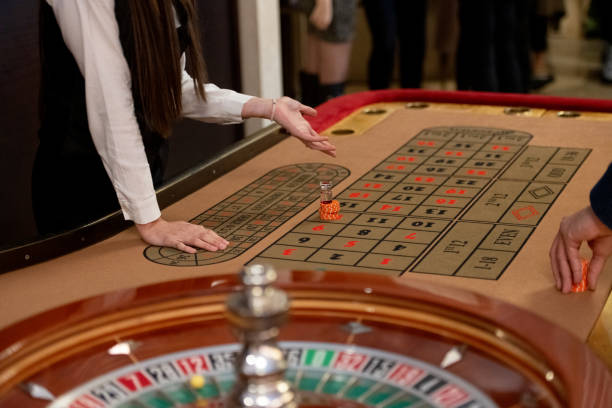
The rise of online gambling has particularly shifted the landscape, with players now able to engage in games from the comfort of their homes. This evolution raises questions about the future of gambling and its cultural implications as societies adapt to new technologies while navigating the potential risks involved.
The Role of LeadMonk in the Gambling Landscape
At LeadMonk, we are committed to guiding players through the ever-changing world of online gambling, particularly focusing on no KYC crypto and Bitcoin casinos. Our platform provides valuable insights, helping players make informed choices while ensuring their gaming experience remains enjoyable and secure. With a focus on privacy and ease of access, we aim to connect players with the best opportunities in the gambling space.
As the gambling industry continues to evolve, LeadMonk strives to stay at the forefront of trends and innovations. By offering comprehensive reviews and insights into the best online casinos, we empower players to explore their options confidently while prioritizing their safety and anonymity in the digital gambling arena.